Skip to content
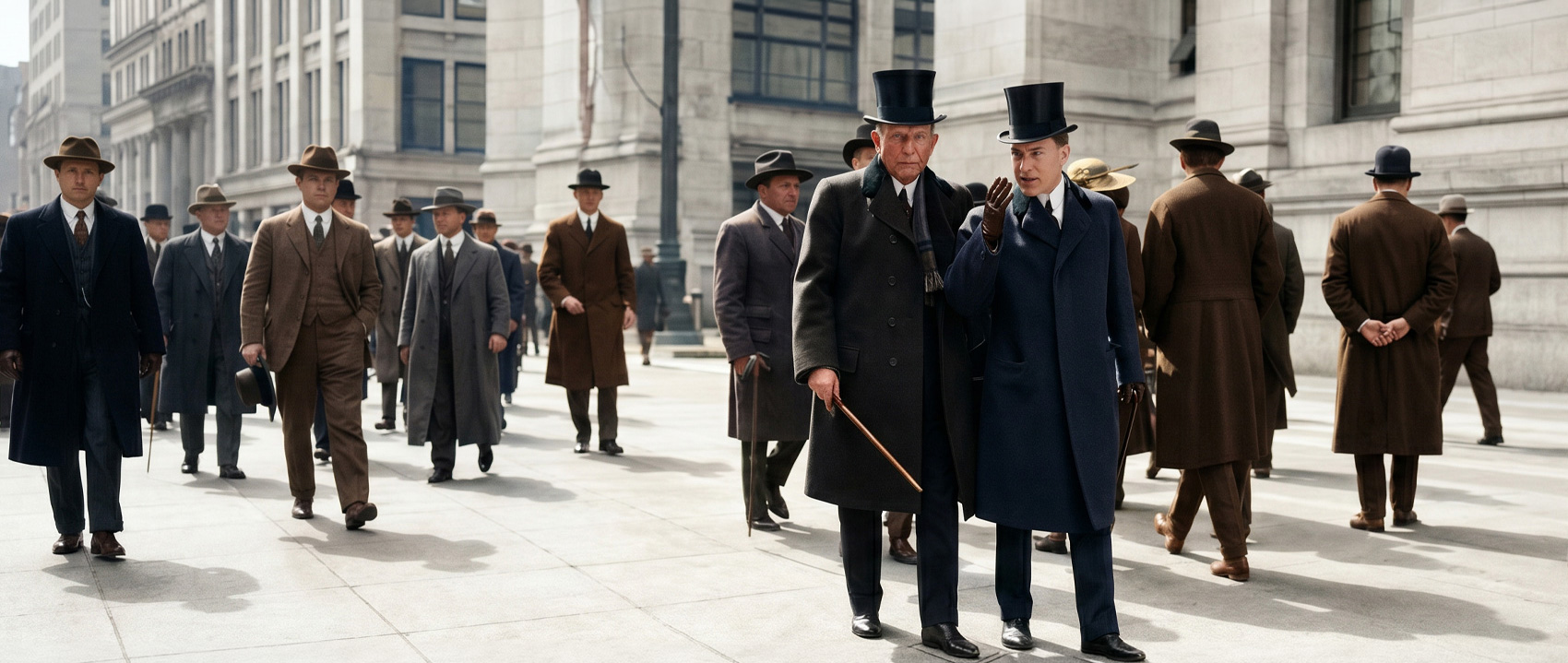
An older man counseling a younger one amid a crowd on a Gilded Age financial-district street

For The Generations to Come

Legacy Composition

A legacy is not a lump sum. It is the letters John D. Rockefeller wrote his son about restraint, the recipes a grandmother annotates with the year she first served them, the values a family chooses to revisit at its annual gathering. Legacy Composition is the practice we offer to families who want to do that work on purpose.

I believe the power to make money is a gift from God, to be developed and used to the best of our ability for the good of mankind.

John D. Rockefeller

I believe in the sacredness of a promise, that a man’s word should be as good as his bond; that character, not wealth or power or position, is of supreme worth.

John D. Rockefeller Jr.

Why the Rockefeller legacy persisted for generations.

The Rockefellers are the prototype. Seven generations after John D. Sr., the family still convenes, still publishes, still holds together. The reason has very little to do with the oil.

John D. Rockefeller wrote to his son over many years, on discipline, restraint, and the responsibility of being trusted with capital. They were not about portfolios. They were about discipline, restraint, the responsibility of being trusted with capital, the obligation to give it away. They were the work of one generation handing the next a way of being in the world.

John D. Jr. read them, internalized them, and wrote his own. So did his sons. That long quiet chain of letters, councils, and shared discipline is the reason the family is still recognizable as a family a century later. It is the same reason most families are not.

That is the historical model that informs the practice. It is the model we honor and the work we offer to do alongside the families we serve. The outcome belongs to the family.

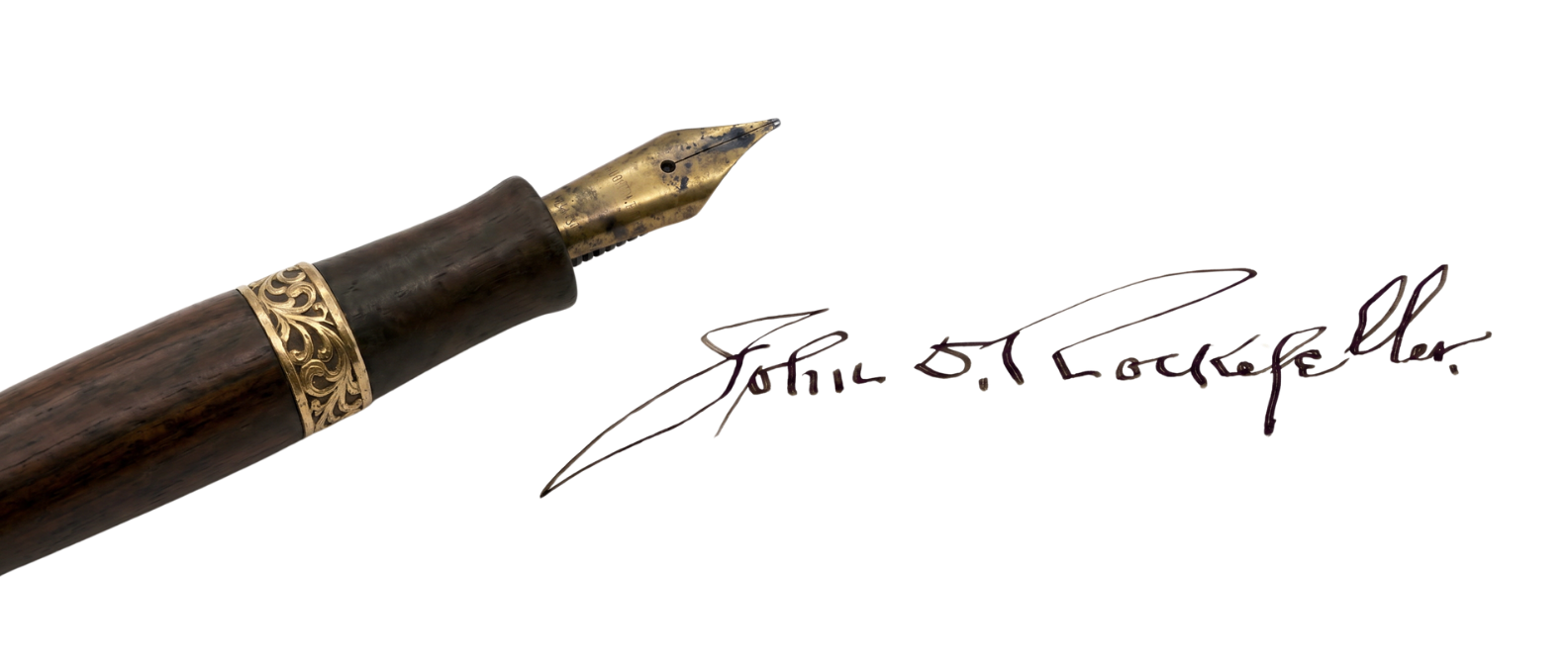
John D. Rockefeller’s signature

Why the Vanderbilt legacy was lost in three generations.

The Vanderbilts are the counter-example. Cornelius Vanderbilt died the richest man in America. Within three generations the fortune was effectively gone.

When the Commodore died in 1877, he left roughly $100 million, more than the United States Treasury held at the time, and the largest fortune the country had yet produced. His son nearly doubled it. That was the high-water mark.

What followed was not bad luck. It was the absence of everything the Rockefellers built. No letters, no family councils, no shared discipline, only houses. The grandchildren competed in marble: the Fifth Avenue chateaux, the Newport “cottages,” Biltmore. The money was divided among heirs who had been handed wealth but never a reason to act as one family. Consumption outran stewardship, generation over generation.

By 1973, when some one hundred and twenty Vanderbilt descendants gathered at Vanderbilt University, not one of them was a millionaire. From the richest family in America to a reunion of ordinary means, the proverb made literal: shirtsleeves to shirtsleeves in three generations.

The difference was never the size of the fortune. It was whether anyone did the work of handing down more than the money.

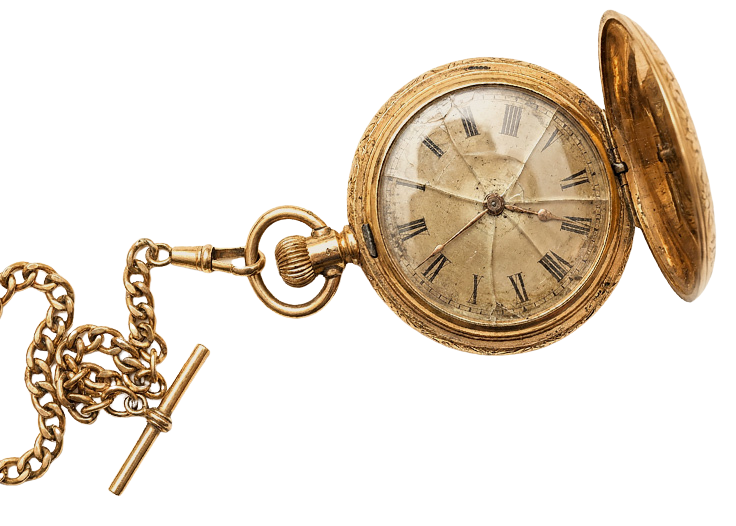
A gold pocket watch of the Vanderbilt era

By the Numbers

Two families. One difference.

The Rockefellers

Why the Rockefeller legacy persisted for generations.

The Vanderbilts

Why the Vanderbilt legacy was lost in three generations.

The Fortune Standard Oil, roughly $900 million at his 1913 peak, about 3 percent of U.S. GDP, among the largest fortunes in modern history. Railroads and shipping, about $100 million in 1877, then the largest in America.
What They Handed Down Letters, family councils, and a shared code of conduct. Money and houses.
Structure A family office, trusts, and a foundation built to outlast them. An estate split among many heirs, with nothing to hold it together.
Wealth Posture Stewardship and restraint. Consumption and display.
Philanthropy Central to the family’s identity, a university, a foundation, generations of giving. Incidental.
The Family Today Still convenes after seven generations; an estimated multibillion-dollar fortune stewarded across some two hundred descendants. By 1973, one hundred and twenty descendants gathered at Vanderbilt University, not a millionaire among them.
The Outcome Endured. Dissipated.

These are historical illustrations, not results of any Delta Rock service or client.

Figures are drawn from the historical record; the 1973 reunion detail is recounted in Arthur T. Vanderbilt II’s Fortune’s Children. Presented for illustration only.

The Timeline

Where one fortune ended, and the other learned to continue.

1870s

1870: Standard Oil is founded. By 1882, John D. Rockefeller has opened a family office so the fortune is managed as one undertaking, not a collection of inheritances.

1877: Cornelius Vanderbilt dies holding roughly $100 million, the largest fortune in America, passed almost entirely to one son with no structure around it.

1880s–90s

The fortune compounds quietly, and the giving starts early: the University of Chicago is founded on Rockefeller money in 1890. Wealth is already being framed as a responsibility.

1885: William Henry doubles the fortune to roughly $200 million. He is the last Vanderbilt to grow it. Then the building begins: ten mansions on Fifth Avenue, The Breakers, Biltmore.

1910s

1911: the court-ordered breakup of Standard Oil multiplies the family’s holdings into shares of thirty-four companies. 1913: the Rockefeller Foundation makes the giving permanent and institutional.

The fortune begins fragmenting across heirs. Each household spends alone. There is no common table, no common plan, and no one whose job is the whole.

1930s–40s

1934: John D. Rockefeller Jr. moves the fortune into professionally managed trusts for his children, designed to survive generations rather than be divided by them. 1940: the Rockefeller Brothers Fund gives the heirs shared work.

Estates shrink at every death. Taxes, division, and the upkeep of palaces consume principal. 1947: the last of the family’s Fifth Avenue mansions falls to the wrecking ball.

1970s

Room 5600 serves the whole family as office, archive, and meeting ground. Cousins govern together, give together, and learn the work of stewardship by doing it.

1973: one hundred and twenty descendants gather at Vanderbilt University for the family’s first reunion. Not a millionaire among them.

Today

Seven generations in, the family still convenes, still allocates together, and still gives together. The fortune endured because the family did.

The name endures on buildings the family no longer owns.

Why

  • Structure. Trusts and a family office held the Rockefeller fortune together as one body of capital. The Vanderbilt estate was divided outright at every death, and division compounds too.
  • A common table. The Rockefellers institutionalized meeting, deciding, and giving together. Vanderbilt heirs inherited money but no forum, so the family stopped being a family that acts as one.
  • Purpose. The Rockefellers handed down a job: stewardship, restraint, and giving. The Vanderbilts handed down a lifestyle. A fortune with work to do outlasts a fortune with rooms to fill.

Dates and events are drawn from the historical record and presented for illustration only, subject to the note on historical examples below.

The Genesis of Our Philosophy

Legacy is mistaken for the number.

It is a core belief of our firm that a legacy built to last generations is far more than money.

Wealth and legacy have been fused for so long that the two words now do the same job. Read a will, an obituary, a headline about a fortune, and legacy means the number that was left.

That is a categorical error, and it does an injustice to the generations to come. They are the ones who pay for it. Money is the easiest thing in a house to hand down and the only thing that arrives with no instructions attached, so a descendant handed a large number and nothing else is left to work out on his own what it was for, which is a thing most people do badly and some people do disastrously.

Solomon counted on the family.

Nearly three thousand years ago, King Solomon wrote that “a good man leaves an inheritance to his children’s children.” Not his children. His children’s children. Nothing reaches a man’s grandchildren except through his children, so the proverb requires a generation in the middle that could spend it and does not. Which means it is praising him less for the money than for the people he raised, and he will never meet the ones it was for. By the time it arrives he is a name on a tree and a hand in a photograph, someone the recipient has to be told about. He did the work anyway.

The proverb assumes something it never says out loud: that someone will still be there to receive it, and that they will know whose hands it passed through.

That assumption used to be safe. Families gathered because gathering was the default and distance was the expensive part. Now the reunion ends the year the grandmother who organized it dies, and nobody picks it up, because picking it up means volunteering for a job with no title and no thanks. The recipe stays in one head and leaves with it. The wealth still transfers. The family does not.

Three handouts from 1994.

One of our founders was at his mother’s when she opened a bag and handed him what was inside: three handouts from a family reunion in 1994.

A hand-drawn family tree. Twelve recipes. Three letters from grandparents. The dish each household had been assigned for the next gathering. Four pages listing everyone who had been born, married, or buried since the last edition. His tree, his grandparents, his people on all four of those pages.

Nothing in that bag came from an attorney, and none of it had ever been in a safe or behind glass. It was the most valuable paper in the house.

The handouts are more than thirty years old now, and what stops you reading them is how ordinary all of it was. Nobody who made them thought they were preserving anything. They were telling forty people what to bring in August. Everything on those pages survived, and very little from the thirty years since has.

The family is the harder half.

Structure is a real problem with real answers: vehicles, trusts, discipline, time. It is also the half you can solve by hiring someone. The other half, the one that decides whether any of it still matters three generations from now, is whether the family is still a family, and nobody can be hired to be that for you.

A trust does not convene, and it cannot tell a nineteen-year-old why the money exists or give him a reason to show up in August. Only the people can do that, and only if they are still speaking to one another.

Everything below came out of those three handouts. The tree became the Generational Map. The recipes became the Recipe Book. The letters and the list of births and marriages and burials became the Family Annual. The assigned dishes became the Family Council. We invented none of it. One family did the work by hand, with no one keeping score, and we built the version that outlives the person doing it.

Legacy Composition is for families who are serious about that work. We do not do it for them. We hand them the tools, hold the cadence, and sit at the table for as many years as it takes.
The Practice

The seven services.

Each is delivered with the family, not to the family. Sequenced over years. Refined every year after that.

I

The Family Annual

A bound volume produced each year for the family, with the family. Records the year that was, births, marriages, milestones, losses, photographs, essays, and letters, and ends with what the family intends for the year ahead. The first volume is the foundation. The fiftieth is the institution.

II

The Family Statement

A working document codifying who the family is, what it believes, what it will not do, and what it hopes to leave behind. Drafted with the family, revised annually, signed by every member of voting age. Not a legal instrument. A guiding one.

III

The Recipe Book

The culinary inheritance, documented with care. Each recipe annotated with the member who introduced it, the occasion it became attached to, the year it entered the family. Printed and bound. Reissued every decade.

IV

The Generational Map

A serious family tree. Archival quality, with photographs, brief biographies, and dates of importance. The point is not the ancestry chart. The point is to give every descendant a clear sense of where they sit on a long thread, and what was carried by the people who carried it before them.

V

The Family Council

An annual facilitated meeting of the family's voting members. Agenda: stewardship of the family's shared work, education of the next generation, formal review of the Statement, and the necessary conversations that families avoid when they meet only at weddings and funerals.

VI

The Steward's Curriculum

A multi-year program for members of the next generation on the responsibilities and discipline of inherited wealth. Sequenced. Confidential. Conducted off-site, alongside mentors selected by the family. The point is to produce stewards, not heirs.

VII

The Living Archive

Oral history conducted with the family's elders before they are gone. Long-form video interviews. Letters preserved and indexed. Place-based memories tied to maps and dates. The archive grows; the elders, in the end, do not.

The Personal Concierge

Reunions, hosted with intention.

The traditions a family carries forward are not built at the kitchen table alone. They are built in places set aside for the family to be together for a few days at a time, on a cadence the family can keep.

Our Personal Concierge plans, books, and produces these gatherings at a curated network of partner properties, private estates, lodges, and farmhouses well suited to multi-generational stays. We coordinate logistics, programming, and the small details that make the difference between a long weekend and a tradition.

The Network · Five Properties

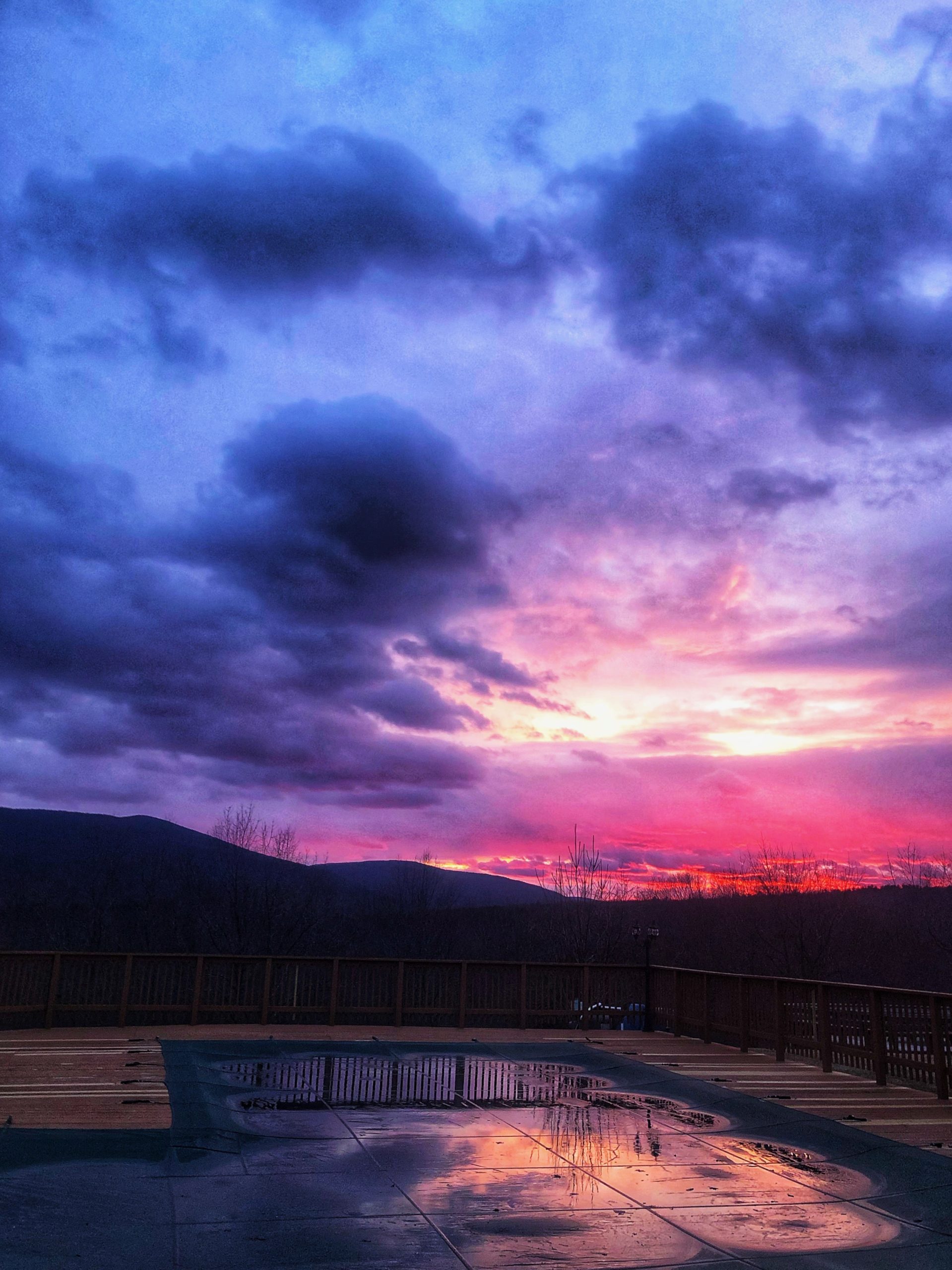
Ridgewater Inn, Hunter Mountain

№ 01 · Catskills, New York

Ridgewater Inn

Hunter Mountain

Sleeps
36
BR
14
BA
7.5
Size
7,500 sf
Land
5 acres

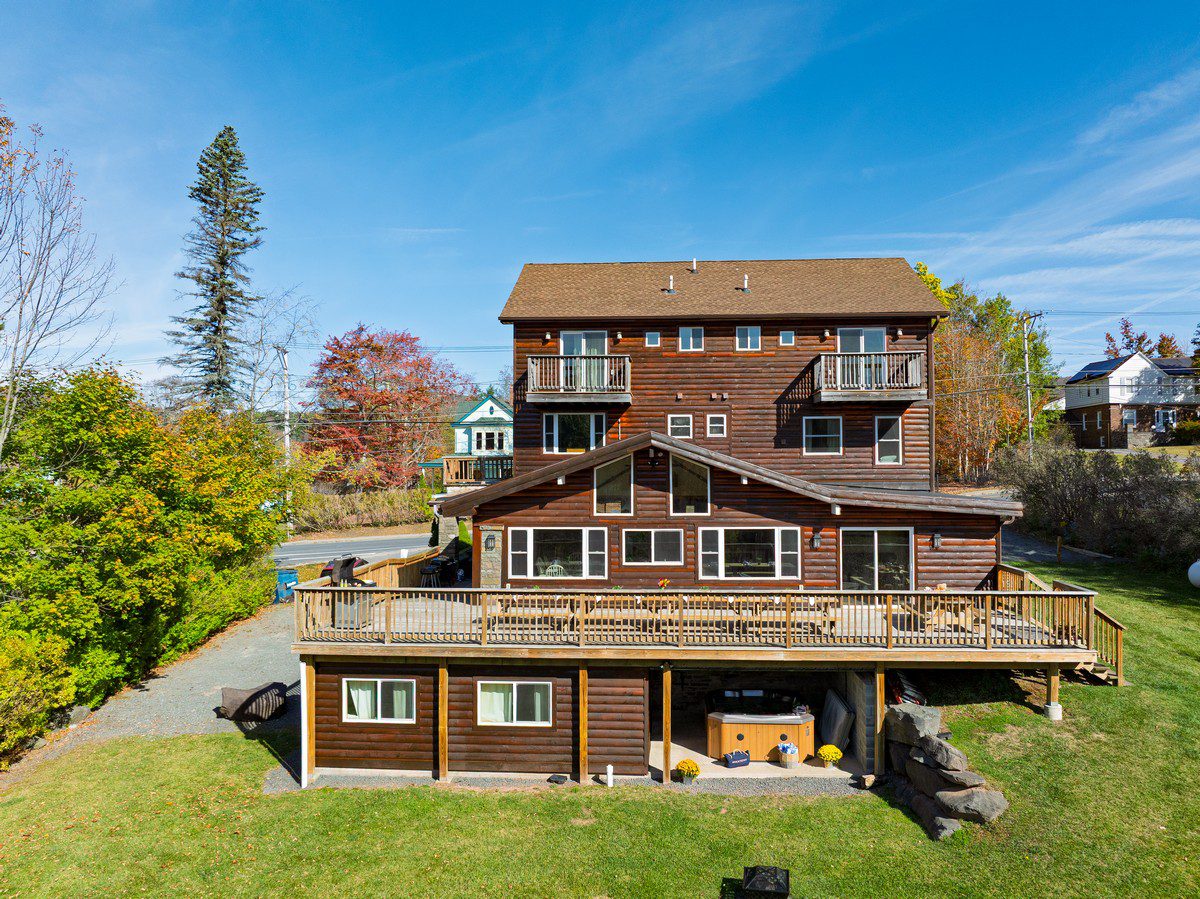
A late-nineteenth-century boarding house renovated into the largest of the network's gathering houses. Fourteen bedrooms, two kitchens, a heated outdoor pool, and a basement bar that has been the closing room for more than one extended-family card night. The five acres are private, the building is solid, and the road to Hunter Mountain takes three minutes.

Ash Cove Lodge, Tannersville

№ 02 · Catskills, New York

Ash Cove Lodge

Tannersville

Sleeps
44
BR
13
BA
7.5
Size
6,500+ sf
Land

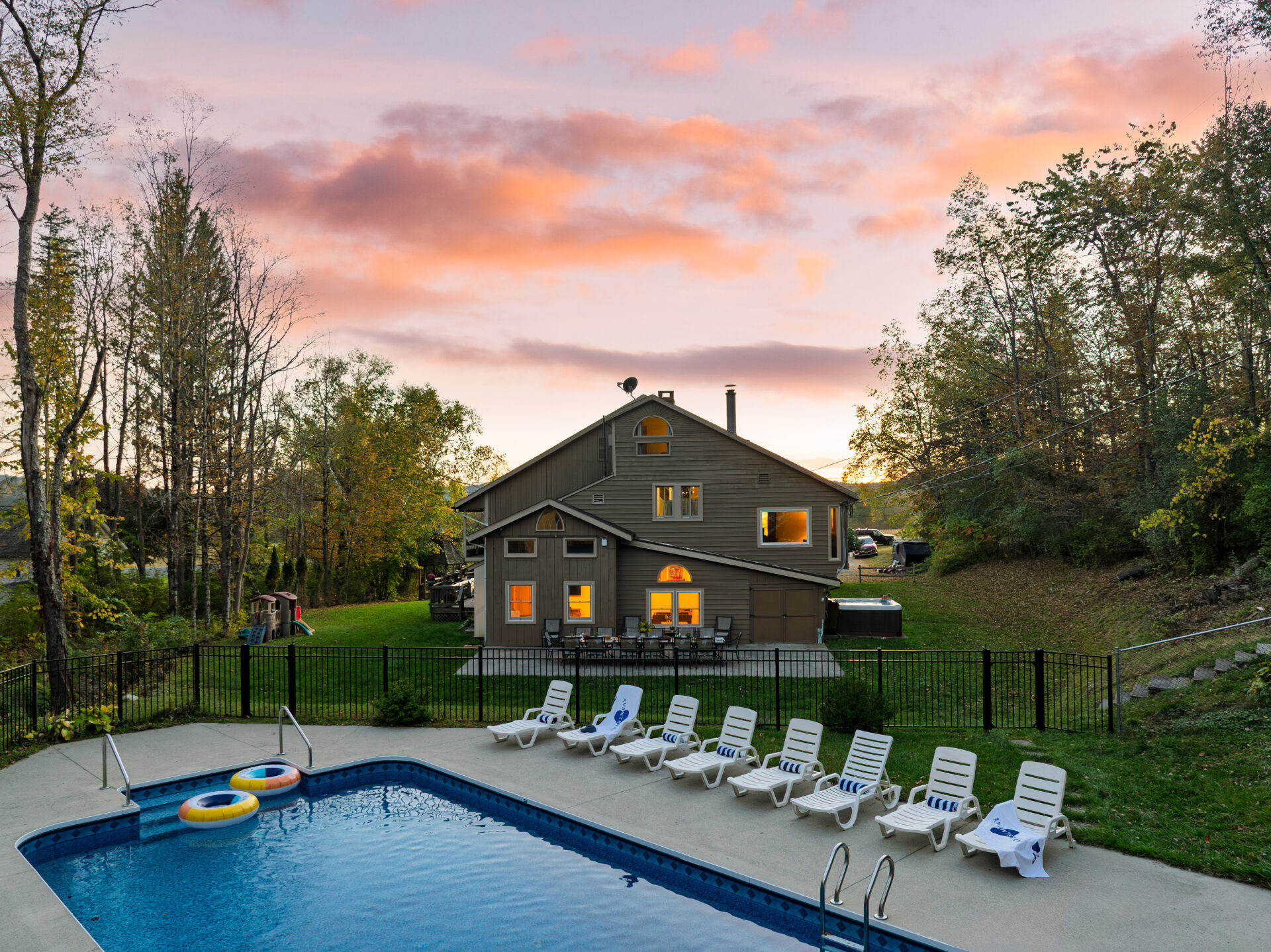
A cedar-clad lodge a minute from the village of Tannersville and five from the slopes at Hunter. The entertainment room is anchored by a twenty-foot custom bar reclaimed from the set of HBO's Boardwalk Empire. Outside: a twenty-by-forty heated pool, an eight-person hot tub, and direct access to Rip Van Winkle Lake. This is the largest reunion-capable property in the network and the one most families return to.

Woodstone Estate, Jewett, near Hunter Mountain

№ 03 · Catskills, New York

Woodstone Estate

Jewett, near Hunter Mountain

Sleeps
46
BR
12
BA
8
Size
Land
30 acres

Originally a 1945 equestrian estate. Thirty acres of mountain landscape, panoramic ridgelines, and a private six-acre lake stocked with trout and stocked with canoes. The Main House and the Carriage House together accommodate forty-six. Two kitchens, three dining areas, multiple fire pits, an 800-square-foot heated pool. Woodstone is the closest the network comes to a family compound.

Brook House, Stephentown, on the New York–Massachusetts border

№ 04 · The Berkshires, Massachusetts

Brook House

Stephentown, on the New York–Massachusetts border

Sleeps
40
BR
13
BA
12.5
Size
6,800 sf
Land

A turn-of-the-century sawmill on a babbling brook, converted into thirteen bedrooms and very nearly as many bathrooms. The setting is rural enough to be still, the entertainment room is a proper one with a custom bar, and the eight-hundred-square-foot pool has a stone waterfall. The Berkshires open up half an hour east: Tanglewood's summer season, Mass MoCA's warehouses, the Edith Wharton estate. Brook House is the network's most cultural property.

Hearth Cottage, Hunter, eight minutes from the mountain

№ 05 · Catskills, New York

Hearth Cottage

Hunter, eight minutes from the mountain

Sleeps
6
BR
1
BA
1
Size
Land

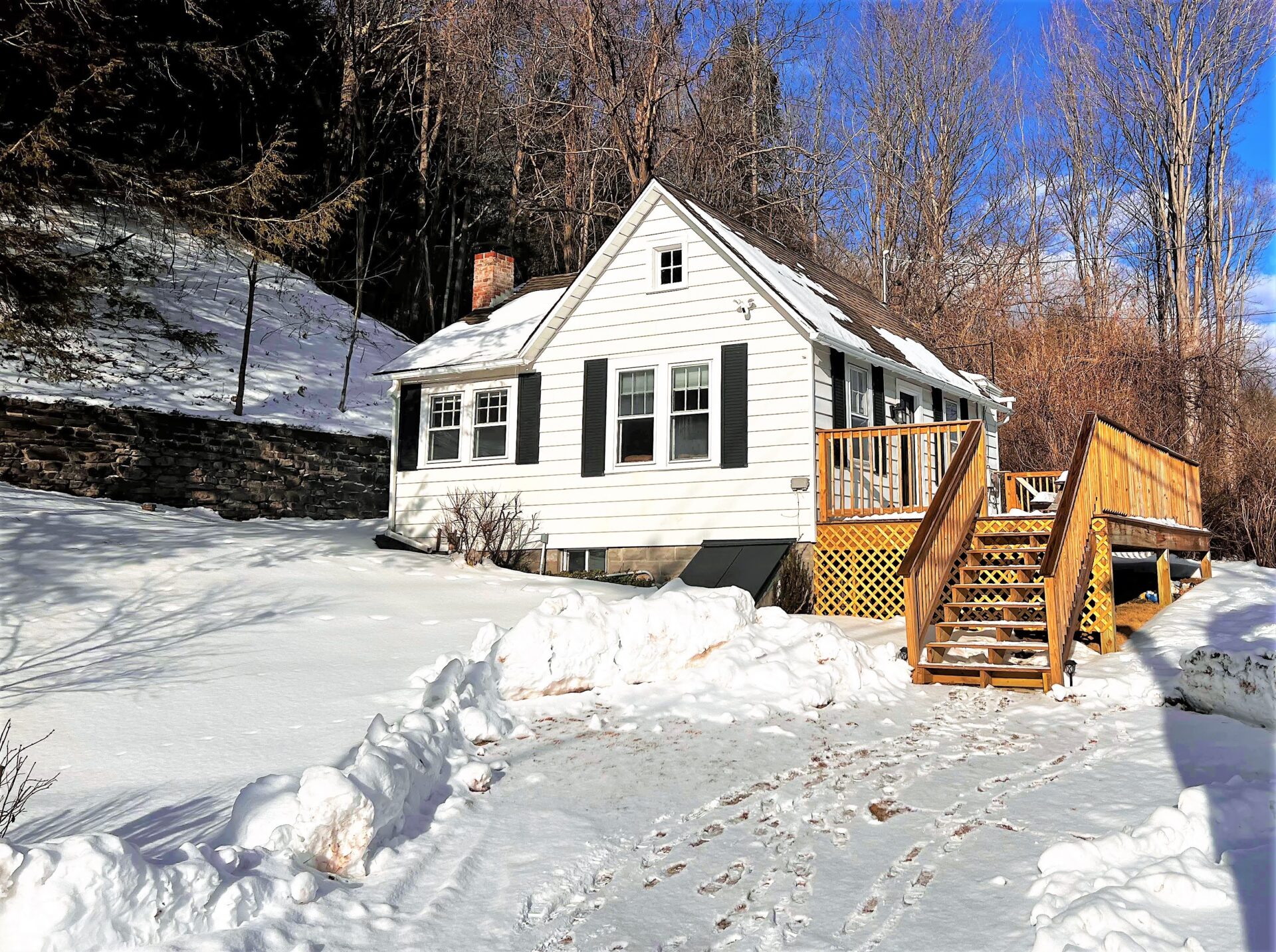
The network's smallest property, kept for the gatherings that are not yet reunions. A single-floor cottage with a queen bed in the bedroom and a pull-out queen in the living room. A full kitchen. An outdoor wood-burning fireplace under the trees. Used for an intergenerational long weekend, a writing retreat, or the year a family chooses to gather quietly.

The Network is held for the families we serve through Legacy Composition.

A Note on Engagement

Legacy Composition tools and services are offered to a select group of investors each year.

The work is delivered in conjunction with our investment practice or independent of it. The two share a single conviction: that a family's capital can outlast the people who built it, and that the families who manage to receive what was built are the ones who did the work to be ready for it.

Important · Note on Historical Examples

References on this page to the Rockefeller and Vanderbilt families are drawn from the historical record and are presented for illustrative and editorial purposes only. They are not, and should not be read as, forward-looking statements, projections, or guarantees of any outcome, and they are not statements of fact about any Delta Rock® investment, fund, service, or client. They describe the principles, posture, and aspiration we hold for the practice of Legacy Composition, not the results any family is assured of achieving.

Multi-generational financial outcomes depend on many factors outside Delta Rock®’s control, including, among others, family circumstances, market conditions, tax law, family governance, and individual decision-making over time. No specific outcome is promised or implied, and all investments involve risk, including the risk of partial or total loss of principal. Past performance, whether of any historical family fortune or any prior Delta Rock® activity, is not indicative of future results.

This page is provided for informational and educational purposes only and does not constitute an offer to sell or a solicitation of an offer to buy any security, nor legal, tax, or investment advice. Any offering of interests in a Delta Rock® fund will be made only by means of definitive offering documents provided to accredited investors and qualified purchasers under applicable U.S. securities law. See our full disclosures.

Contact

This form is for general business inquiries only and is not for investment opportunities or securities inquiries.

Please do not submit confidential or proprietary information unless a mutual non-disclosure agreement is in place.